

When Market Conditions Begin to Shift
Markets moved lower as uncertainty continued to build
Markets declined last week as geopolitical tensions, shifting inflation expectations, and changes in the interest rate outlook continued to influence investor behavior.
While none of these developments are unusual on their own, environments like this tend to highlight something more important:
How well a financial plan adapts when conditions are less predictable.
What happened
Several factors contributed to last week’s movement:
- Major U.S. indices moved lower, with some entering correction territory
- Bond yields rose as inflation expectations shifted higher
- Conflict in the Middle East increased geopolitical uncertainty
- Updated economic forecasts pointed to more persistent inflation
- Consumer sentiment declined, particularly among higher-income households
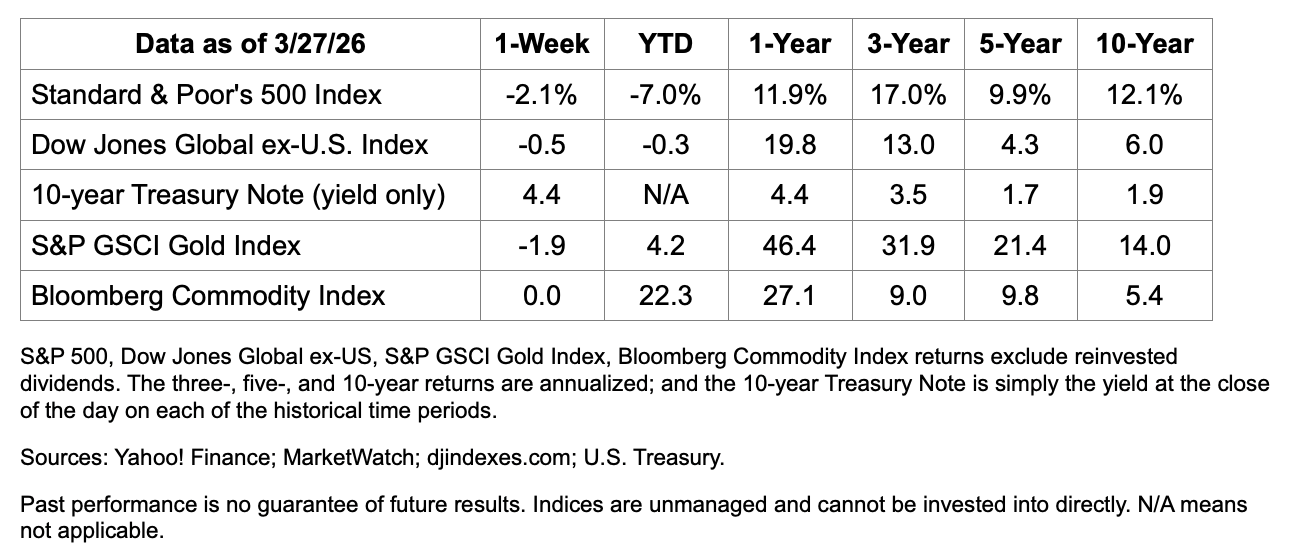
Individually, these are not uncommon developments. But together, they begin to signal a shift in how markets are interpreting the path forward.
What’s changing beneath the surface
The more meaningful development is not any single event—it’s the environment they are collectively reinforcing.
Markets are increasingly adjusting to a “higher-for-longer” rate backdrop, where inflation proves more persistent and central banks have less flexibility than previously expected.
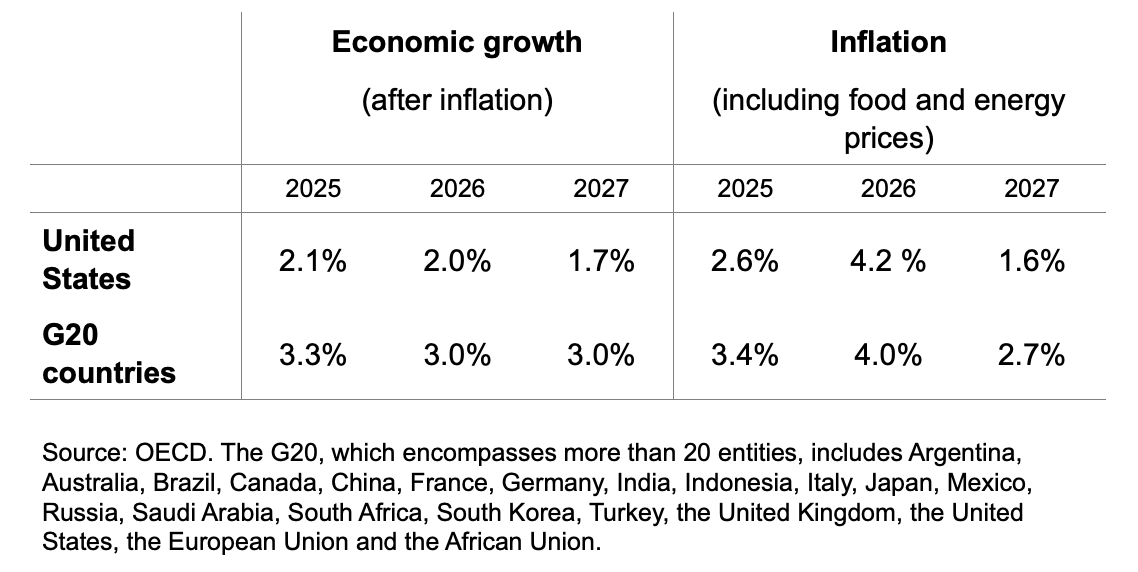
That shift doesn’t necessarily alter long-term outcomes on its own.
But it does change how decisions behave over time.
Why this matters for planning
Environments like this tend to influence outcomes not through a single decision, but through how multiple decisions begin to interact.
In particular:
- Income timing can become more sensitive as interest rates and market returns diverge
- Tax exposure may shift depending on how withdrawals, distributions, and gains are sequenced
- Portfolio positioning can behave differently when inflation and rates remain elevated longer than expected
None of these are immediate problems.
But they are areas where coordination becomes more important—because small adjustments in one area can create unintended consequences in another.
This is where many plans begin to lose flexibility over time—not from one decision, but from how decisions connect.
What we’re watching
Looking ahead, a few areas remain especially important:
- Federal Reserve positioning — whether policy continues to lean more restrictive than markets anticipated
- Inflation trajectory — particularly whether recent increases prove temporary or sustained
- Market response — how equities and bonds continue to adjust to changing expectations
These factors will shape not just market performance, but the environment in which planning decisions are made.
Closing perspective
Periods like this don’t just test markets—they test how well a plan is designed to adapt over time.
For clients, this is where ongoing coordination becomes most valuable—ensuring that decisions across income, taxes, and investments continue to work together as conditions evolve.
Next step
If you’re already working with us, this is the work happening behind the scenes.
If you’re evaluating your own plan and want to better understand how these moving pieces connect, you can explore how coordinated planning works—or schedule a brief introductory conversation to see if it’s a fit.
Best regards, California Retirement Advisors.