Higher Rates Should Have Hurt Tech Most Last Week. They Hurt the Income Side of Portfolios Instead.
The 10-year yield climbed to 5.16% and technology led anyway. The holdings people own for income took the hit, for the second week in a row.
The 30-year Treasury yield fell last week. The sectors usually priced against it had their roughest week anyway — because the rate that moved was the short one.
The bond side of the portfolio is supposed to be the boring one. This week it wasn't — and the reason has nothing to do with luck.
Last week we said Wednesday's PCE report would settle whether the gold and crude move was a signal. It came in hot. Gold gave back $147.96 and Energy finished last. Here's why.
The 30-year Treasury yield moved one basis point last week. Gold rose $227 an ounce. That pairing rules out the explanation most people will reach for.
Rates up, income sectors down. Rates down, income sectors down. Rates up, income sectors up. Three weeks, one explanation, and it only worked once.
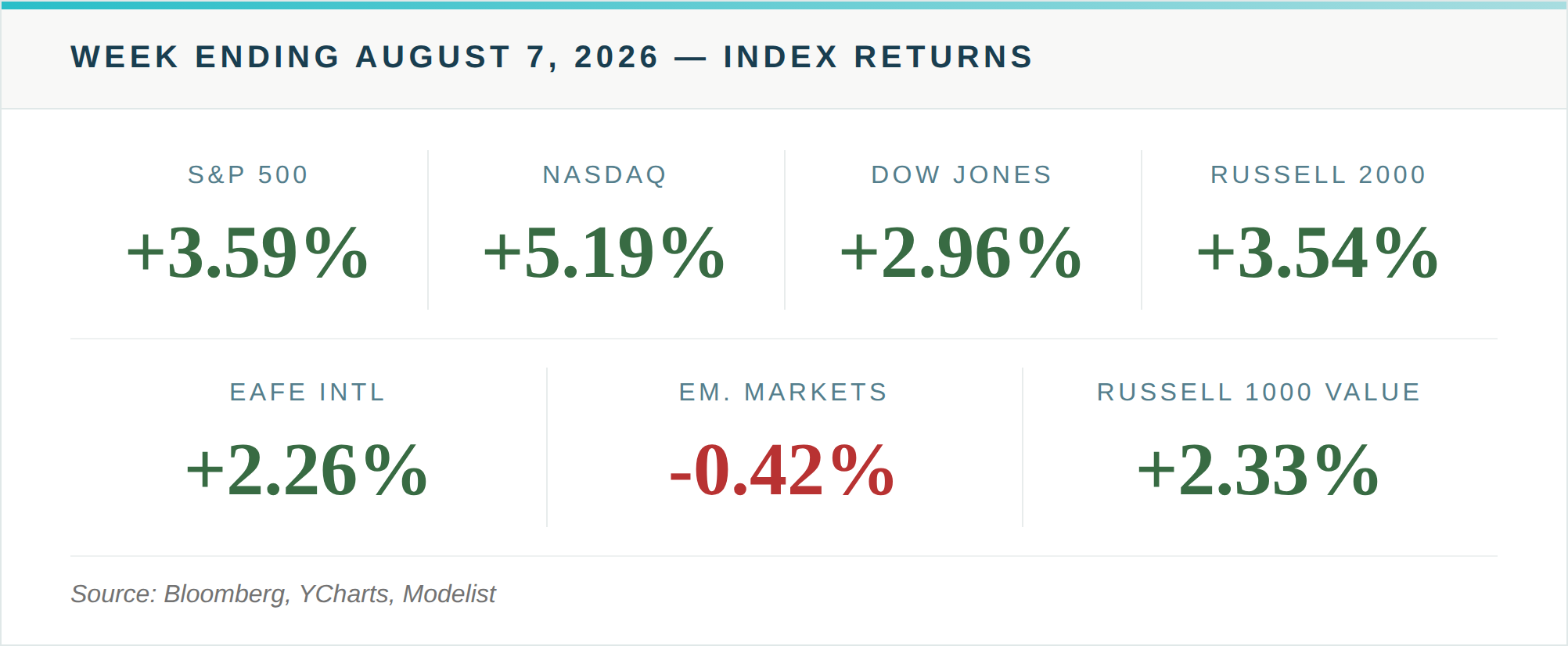
The S&P 500 gained 3.59% on a jobs report the market read as good news. Underneath it, the sectors retirees hold for income sat out a second straight week.
The index closed higher, but utilities and real estate led the market lower. The Treasury market explains why, and it matters more to retirement income than the headline does.
Stocks slipped, but the real move was in the bond market: yields jumped and oil hit $89 as the market repriced inflation — two days before the Fed. What it means for a retirement portfolio.
Seven of eleven sectors rose in a week the S&P 500 fell 1.55%. That isn't a market selloff — it's one trade getting audited.
Stocks shrugged off a broken ceasefire, bonds priced a hawkish Fed, and a few names carried the index. Every one of those bets gets graded this week — two of them Tuesday morning.
The jobs report missed badly — and the Dow closed at a record high. That's not a contradiction. It's the clearest signal yet about what this market actually fears, and what it means heading into earnings season.