
Retiring Can Lower Your Medicare Premium. Form SSA-44 Is How You Tell Social Security.
Retired in 2026? Form SSA-44 lets you ask Social Security to base Medicare's IRMAA surcharge on lower current income. A federal rule, California included.

Retired in 2026? Form SSA-44 lets you ask Social Security to base Medicare's IRMAA surcharge on lower current income. A federal rule, California included.
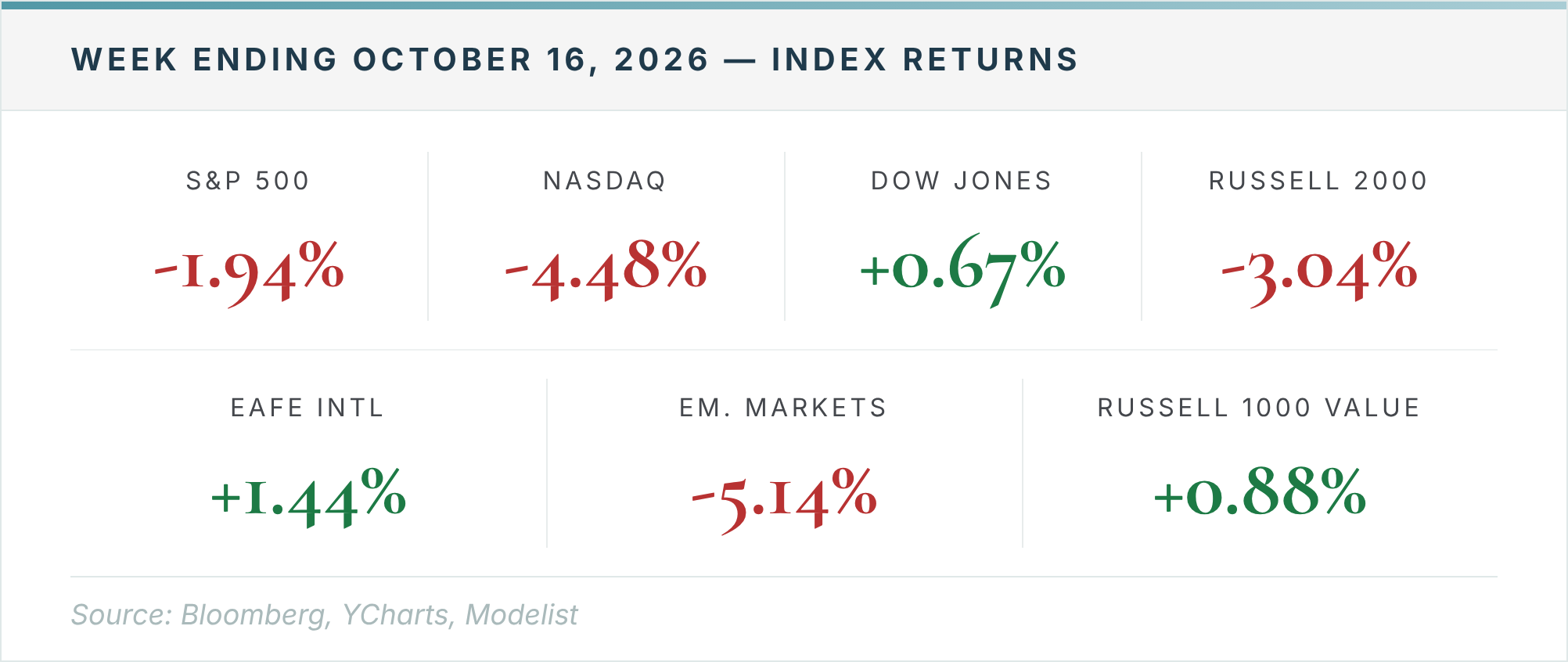
Inflation hit 3.7% last week, yet long-term Treasuries rallied as tech stocks fell. Why your retirement income shouldn't rely on bonds doing that again.

The 10-year rule has a second half. If the original owner had already started RMDs, years one through nine aren't optional, and taking only the minimum can push most of the tax bill into year ten.
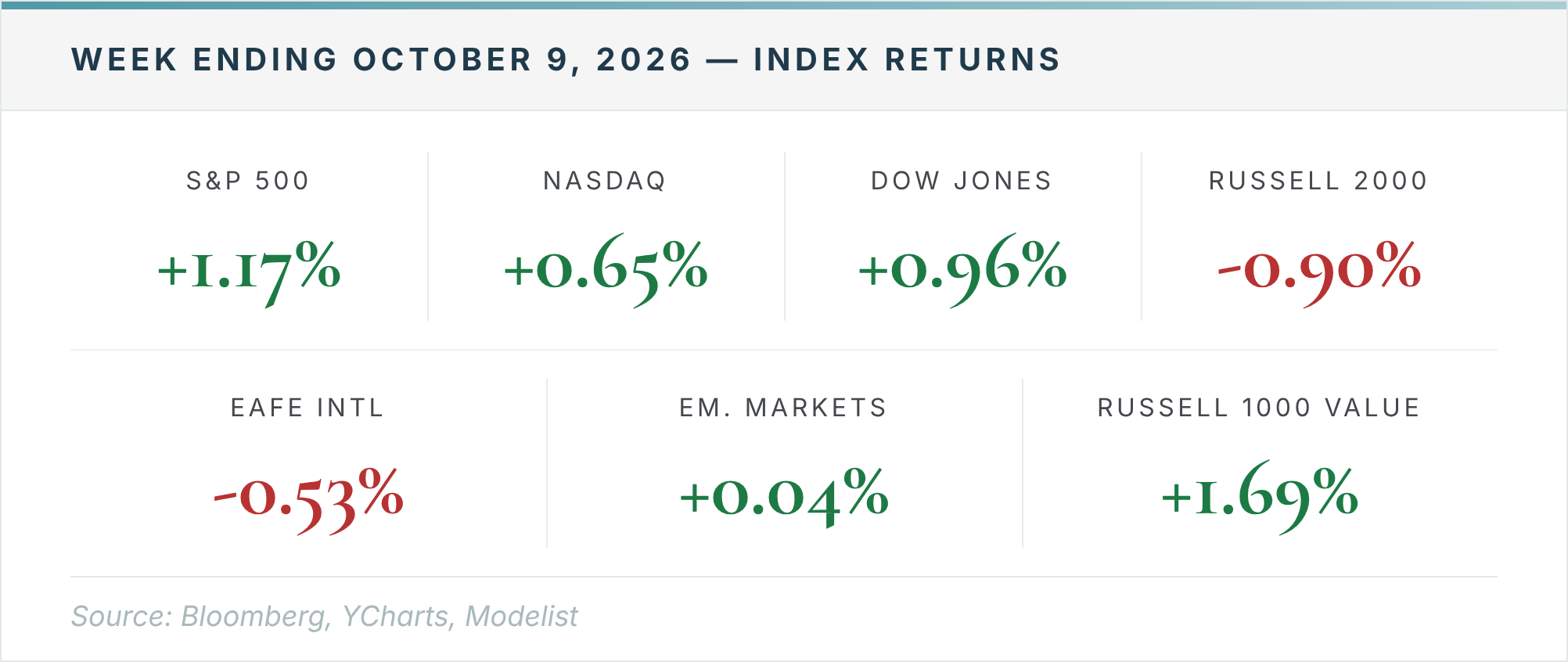
The S&P 500 gained 1.17% and the VIX closed at 14.84, but single stocks moved as much as 35%. For anyone holding one large position, that spread is the week that counted.

Medicare prices its premiums from a tax return filed two years earlier, so the income you recognize this year sets what you pay in 2028, and December 31 closes it.
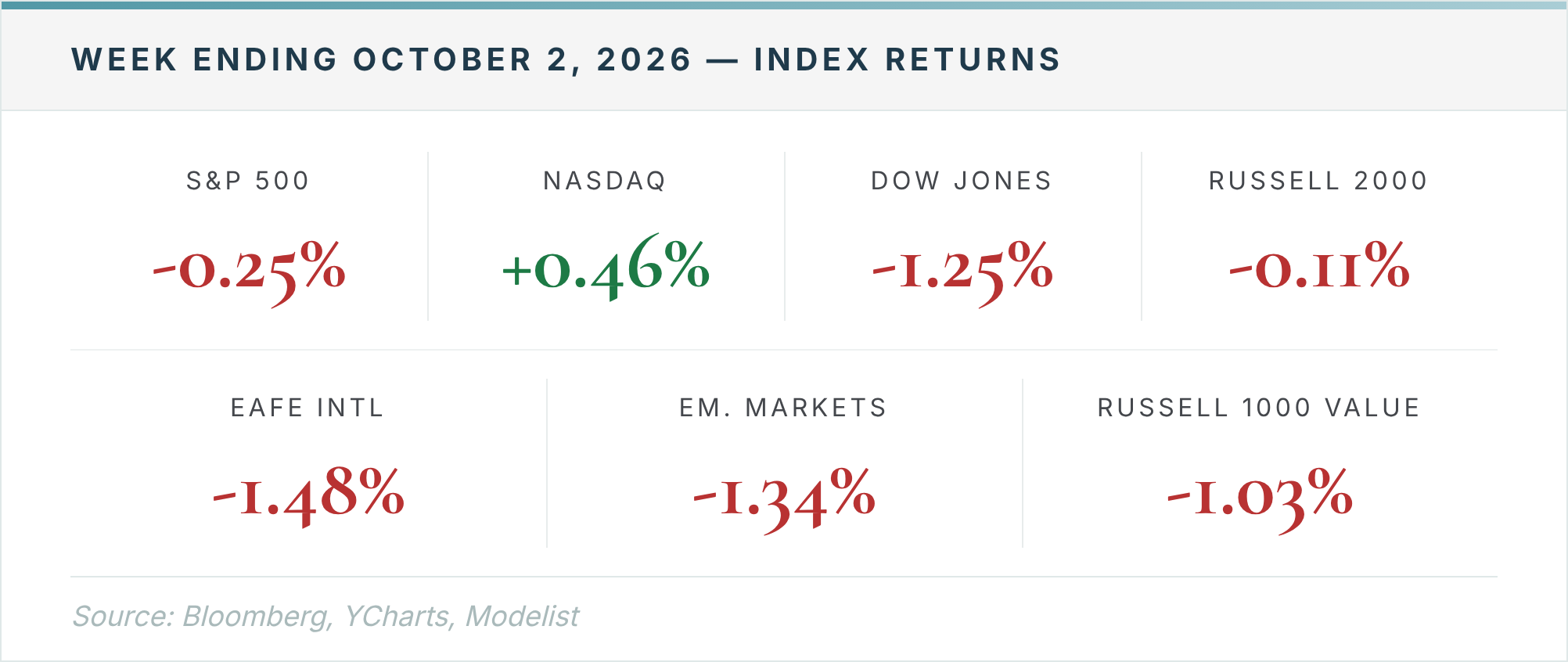
The Fed got room to wait after a soft September jobs report. Long-term bonds did not get the relief that usually comes with it, and that matters for how retirement income is structured.

Plans written before 2021 assumed the family home passed to children with its old tax bill. Now it depends on whether a child moves in, and a gift can cost more than it saves.
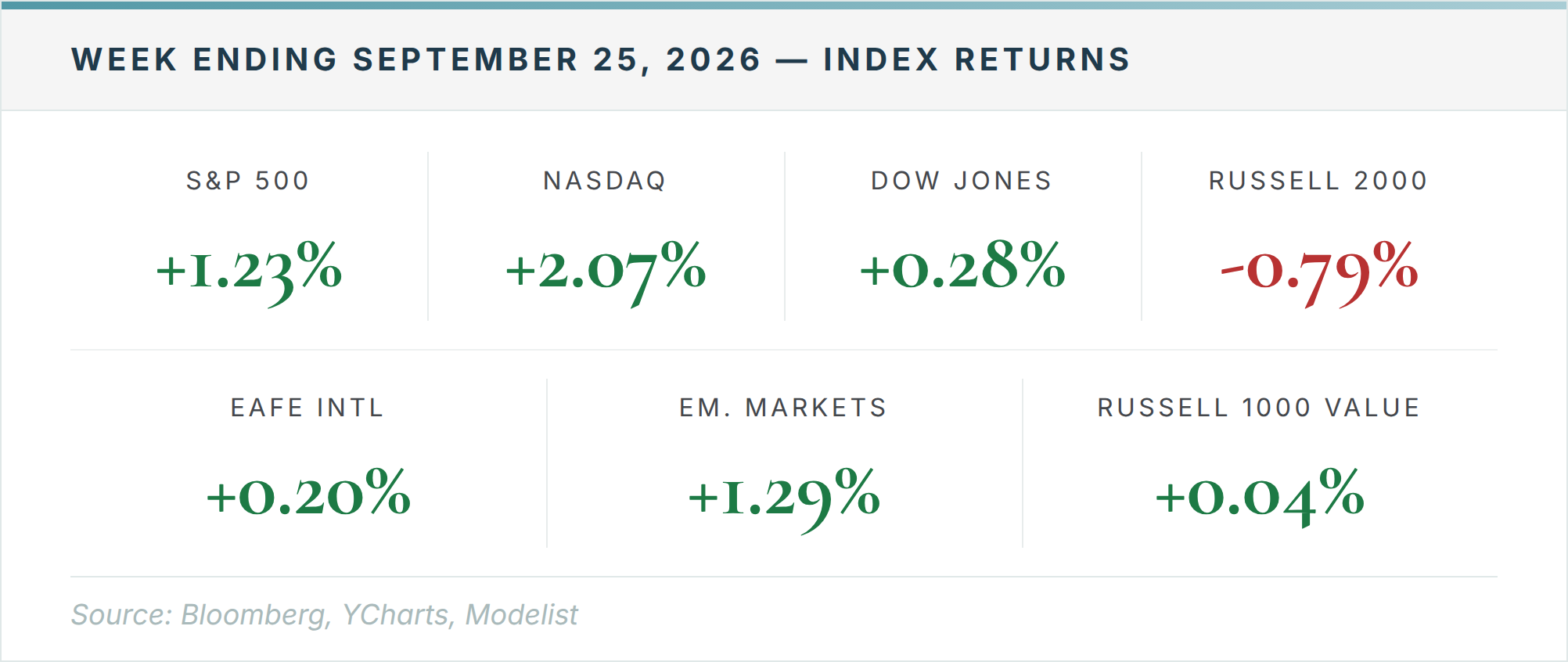
The 10-year yield climbed to 5.16% and technology led anyway. The holdings people own for income took the hit, for the second week in a row.

Social Security and IRA withdrawals look interchangeable in a break-even calculation. California taxes one of them and not the other, and that changes what delaying a claim buys.
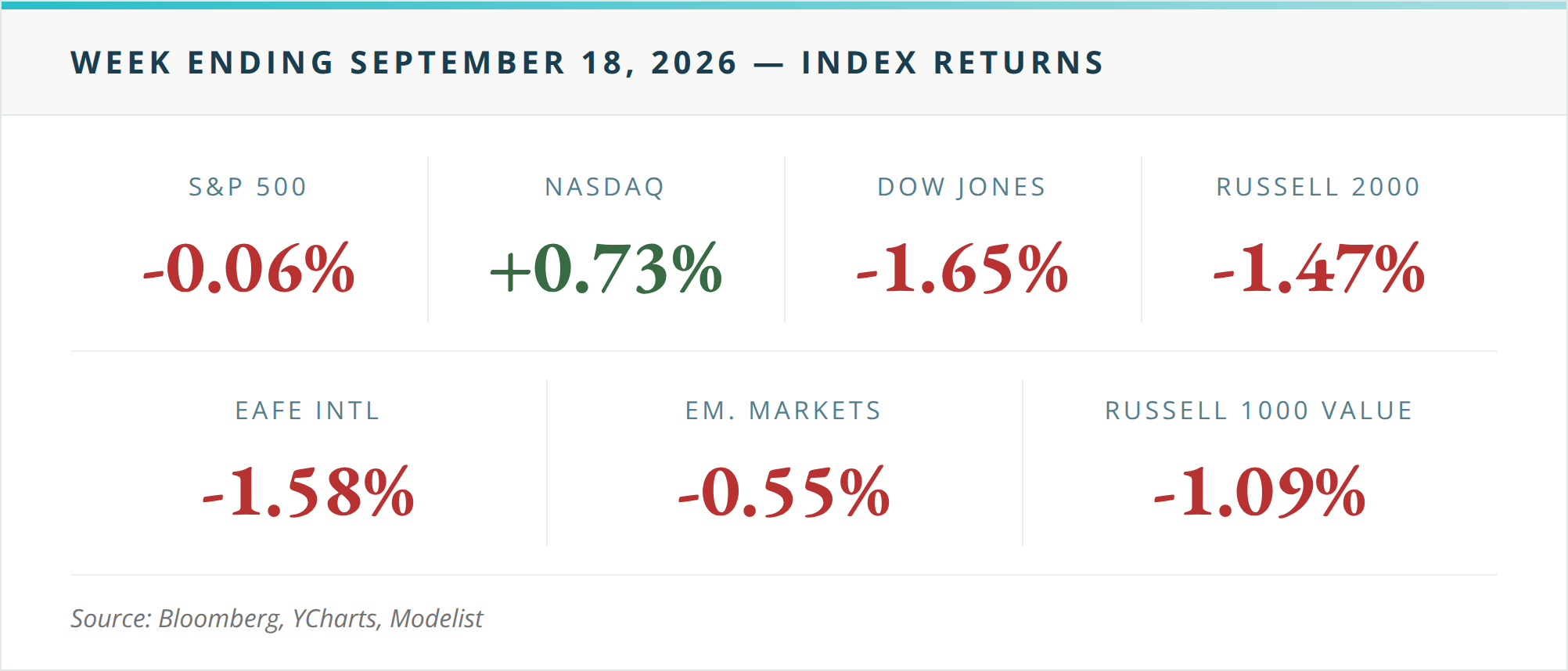
The 30-year Treasury yield fell last week. The sectors usually priced against it had their roughest week anyway — because the rate that moved was the short one.

Turning 73 this year? The IRS lets you delay your first RMD to April — but for most people, waiting stacks two distributions into one tax year.
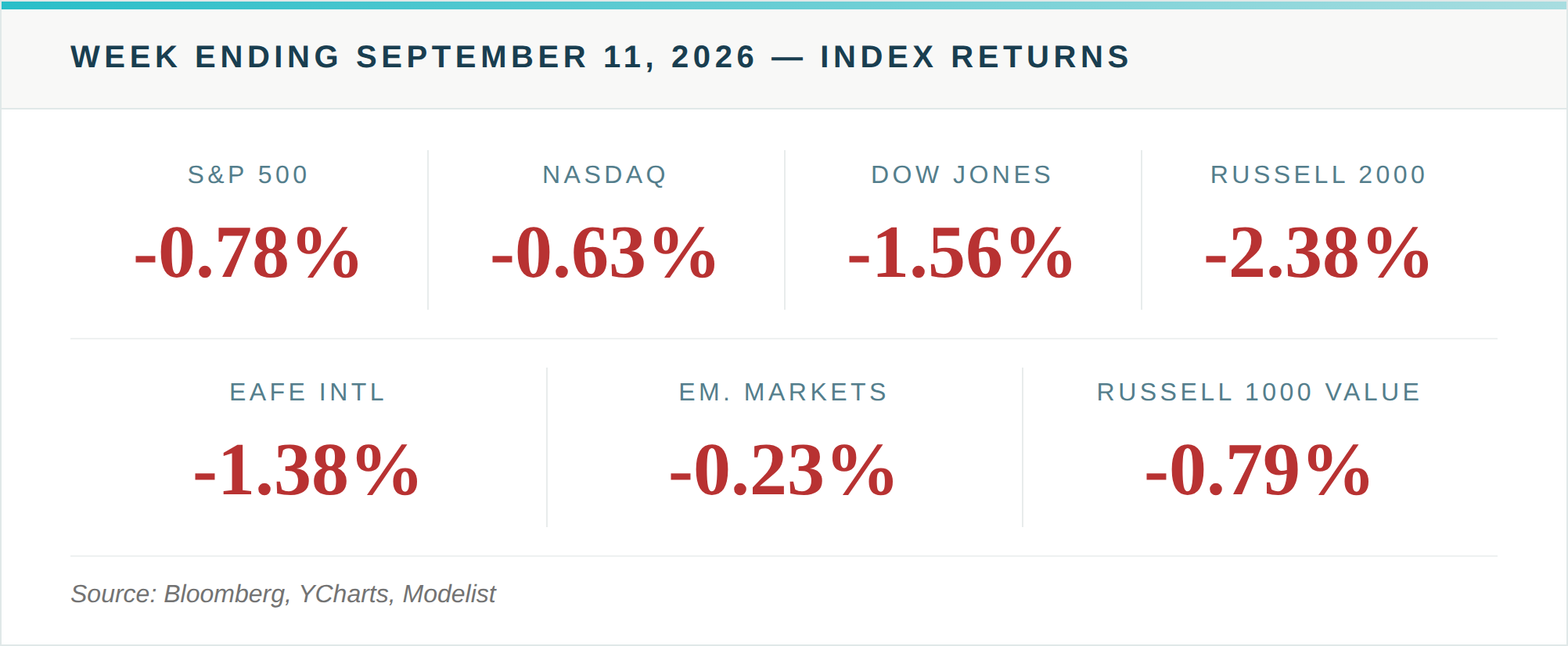
The bond side of the portfolio is supposed to be the boring one. This week it wasn't — and the reason has nothing to do with luck.