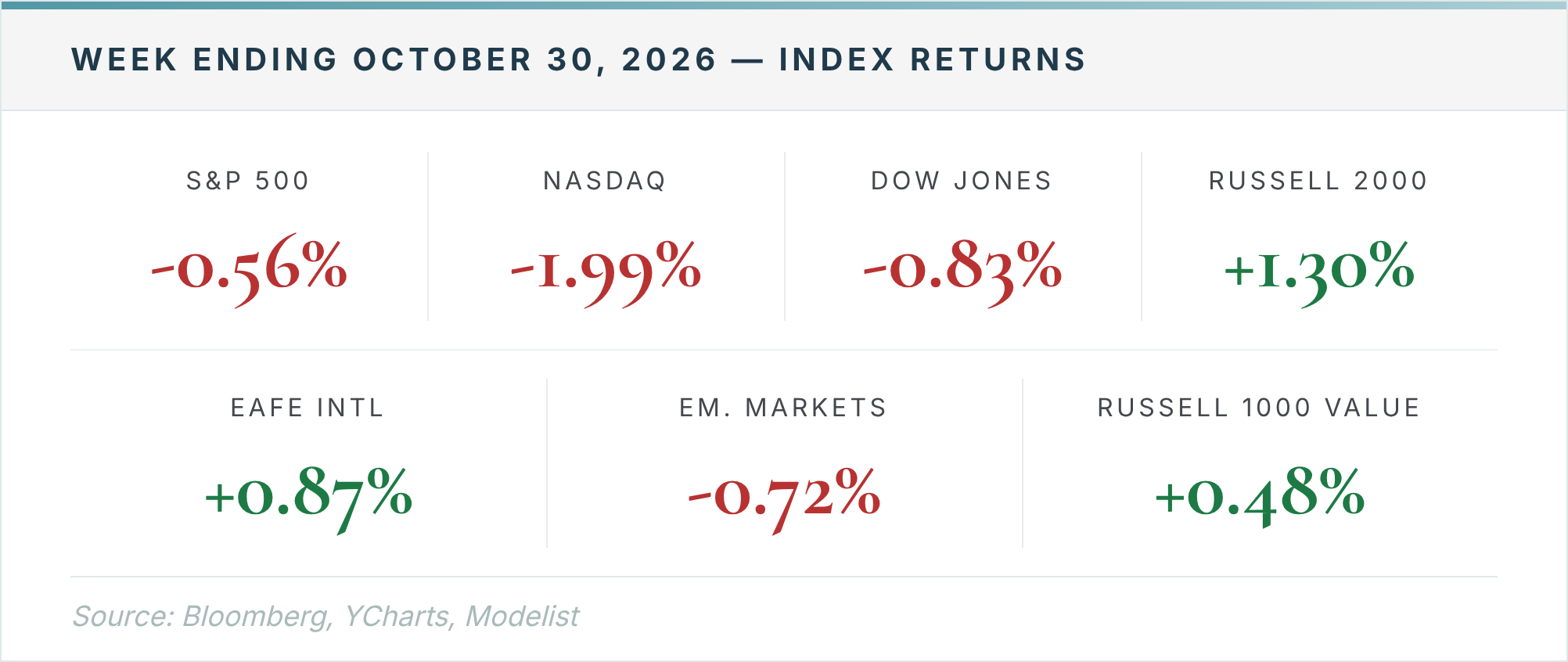
Most of the Market Rose Last Week. The Index Most Retirement Accounts Track Fell.
Nine of 11 S&P 500 sectors rose the week ending Oct. 30, 2026, yet the index fell. What concentration in the largest companies means for a retirement plan.

186 posts matched your search
Nine of 11 S&P 500 sectors rose the week ending Oct. 30, 2026, yet the index fell. What concentration in the largest companies means for a retirement plan.
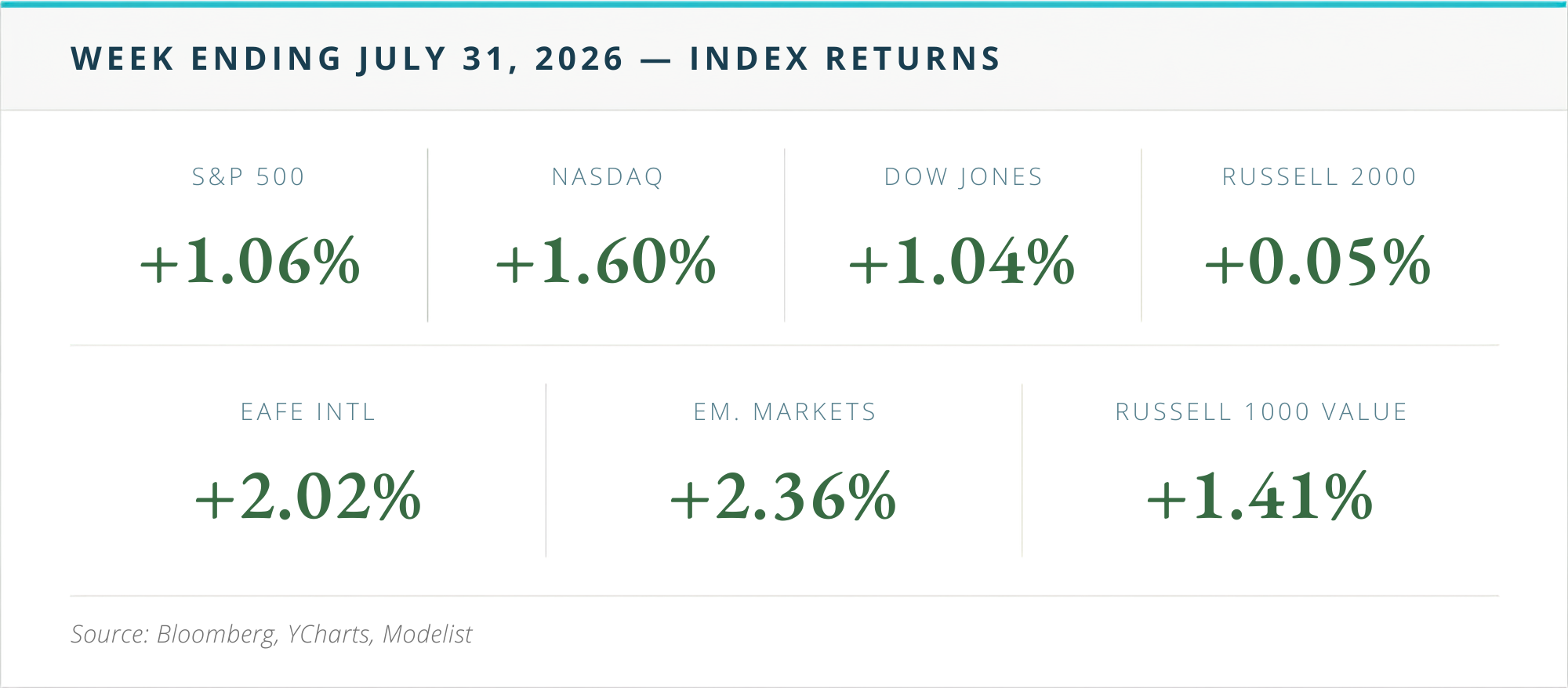
Bond yields keep easing, but home buyers are still borrowing at 7.32%. If your retirement plan depends on selling a house by a certain date, that gap matters more than the rally.
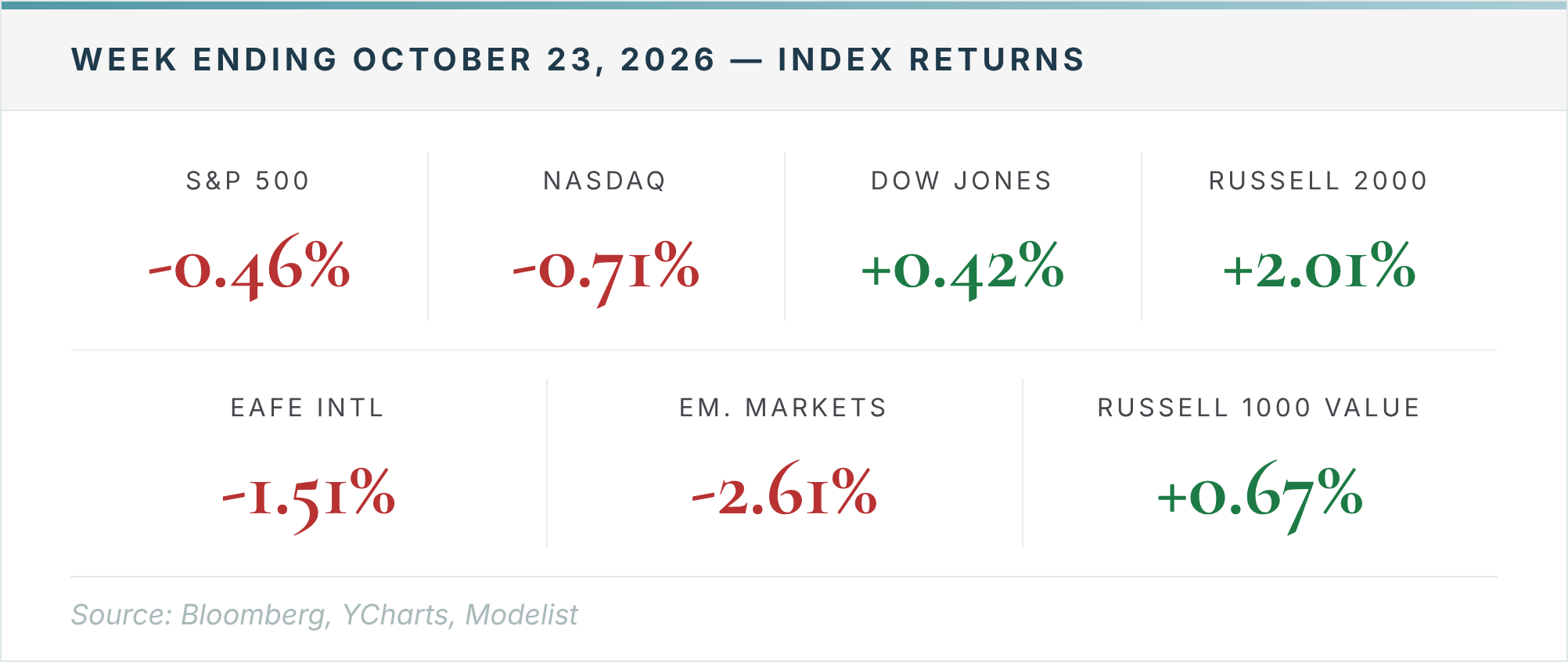
The index closed higher, but utilities and real estate led the market lower. The Treasury market explains why, and it matters more to retirement income than the headline does.

Plans written before 2021 assumed the family home passed to children with its old tax bill. Now it depends on whether a child moves in, and a gift can cost more than it saves.

The SpaceX IPO isn't just a financial milestone — for many equity holders, it's the largest income event of their lives. Here's what the tax math actually looks like, and why the lockup window is the most important planning window you're going to get.
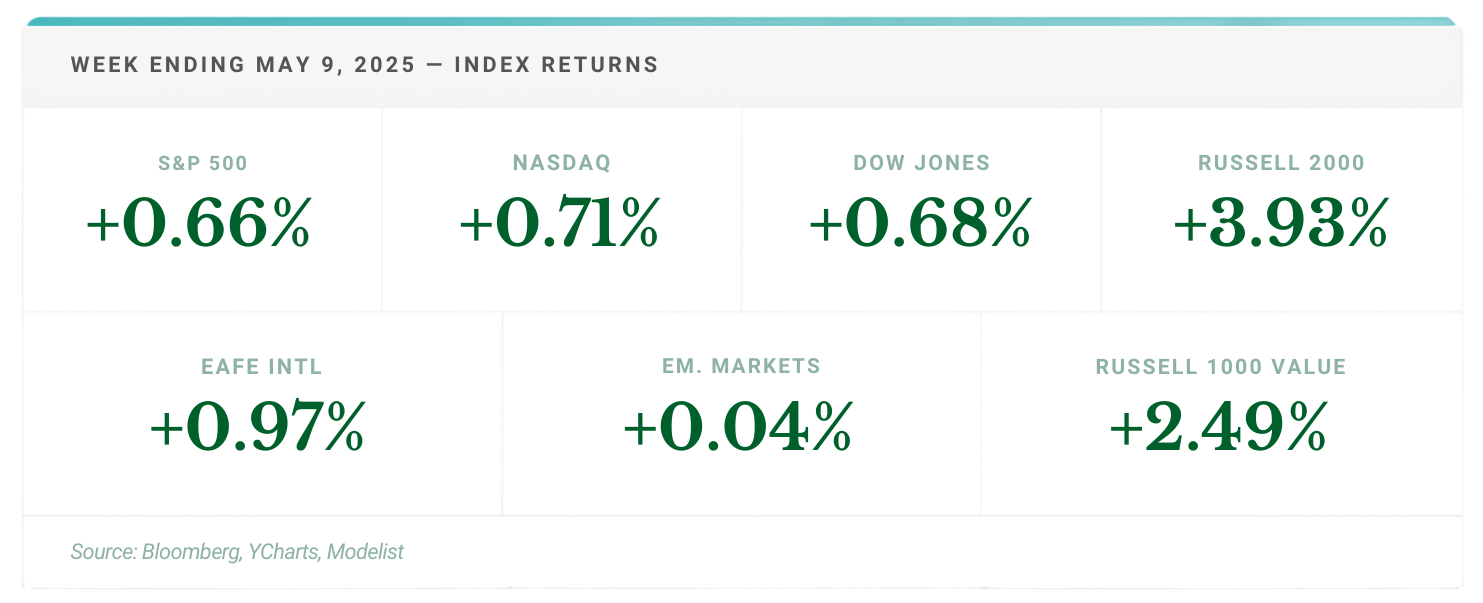
The S&P 500 was up last week. So were the Dow and Nasdaq. But the more interesting move happened underneath the headline numbers — and it has real implications for anyone approaching or in retirement. Here's what actually shifted, and what it means for your plan.

A SpaceX liquidity event doesn't automatically produce financial security — it produces a large pool of capital that needs to be converted into something sustainable. Here's what the gap between "liquid" and "planned" actually looks like, and how to close it before it quietly costs you.

Trump accounts launched two weeks ago, and the rules are already shifting — including a surprise change to what can be contributed. Here's what's new, and why flexibility belongs in your family's plan.

Most investors believe they must choose between the scale of large financial firms and the personalization of smaller advisors. In reality, a different structure exists. This article explores how separating advice from infrastructure—through independent advisors and custodians like Schwab—can deliver both institutional capability and tailored planning, and why that matters for building a coordinated retirement strategy.

With job loss can come questions about what to do with retirement savings such as your 401(k) plan. A rollover to an IRA may be a good move for you.

Most retirees never explicitly plan which account to draw from first. The sequence matters more than most people realize — and the consequences compound quietly over time.

Despite any repercussions, certain IRA and retirement plan transactions simply cannot be unwound. As a follow-up to the March 2 entry, here are a few more “fatal errors” that cannot be fixed.

If you contribute to more than one retirement plan, understanding how contribution limits apply across accounts is more nuanced than it appears. This article explains how deferral and overall limits work together—and where confusion often arises.

These days many Americans are still working long beyond what has traditionally been retirement age. There are some big benefits to extending a career.
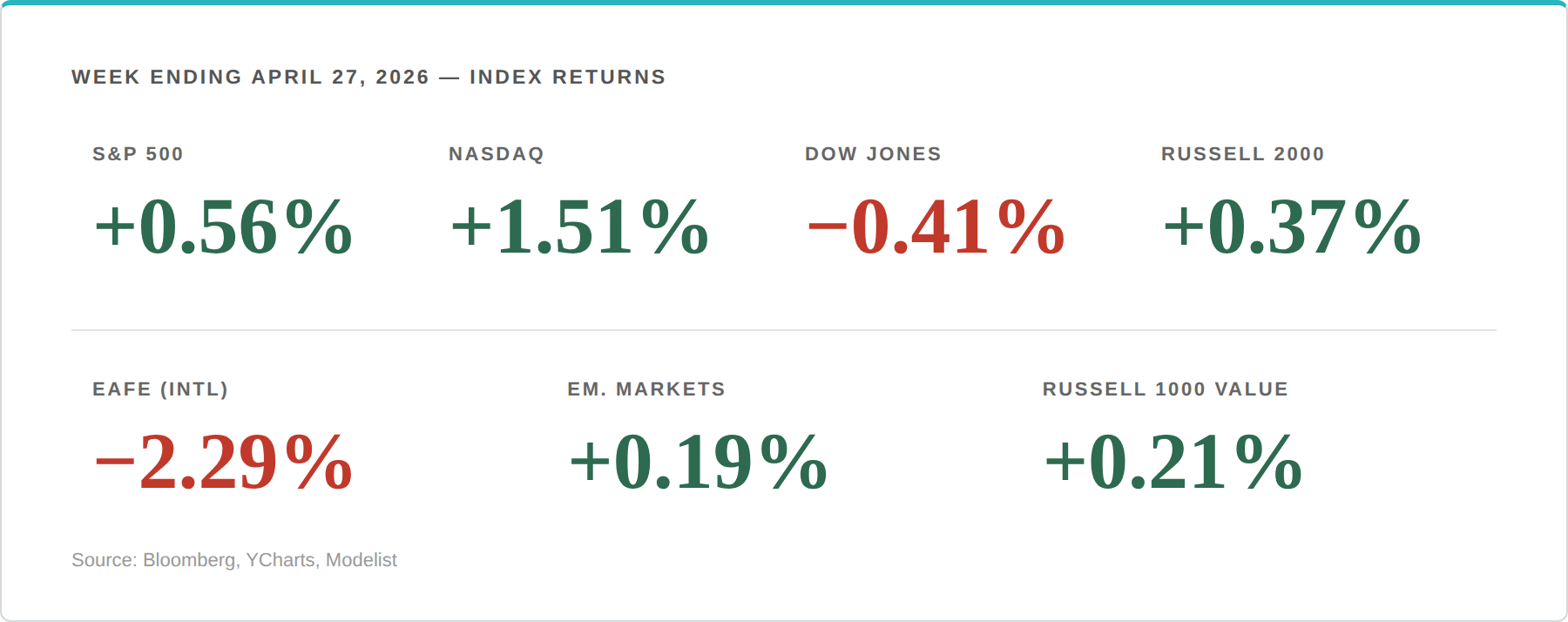
Tech hit fresh records while consumer confidence hit a 73-year low. This week's market commentary breaks down what both signals mean for your retirement plan.
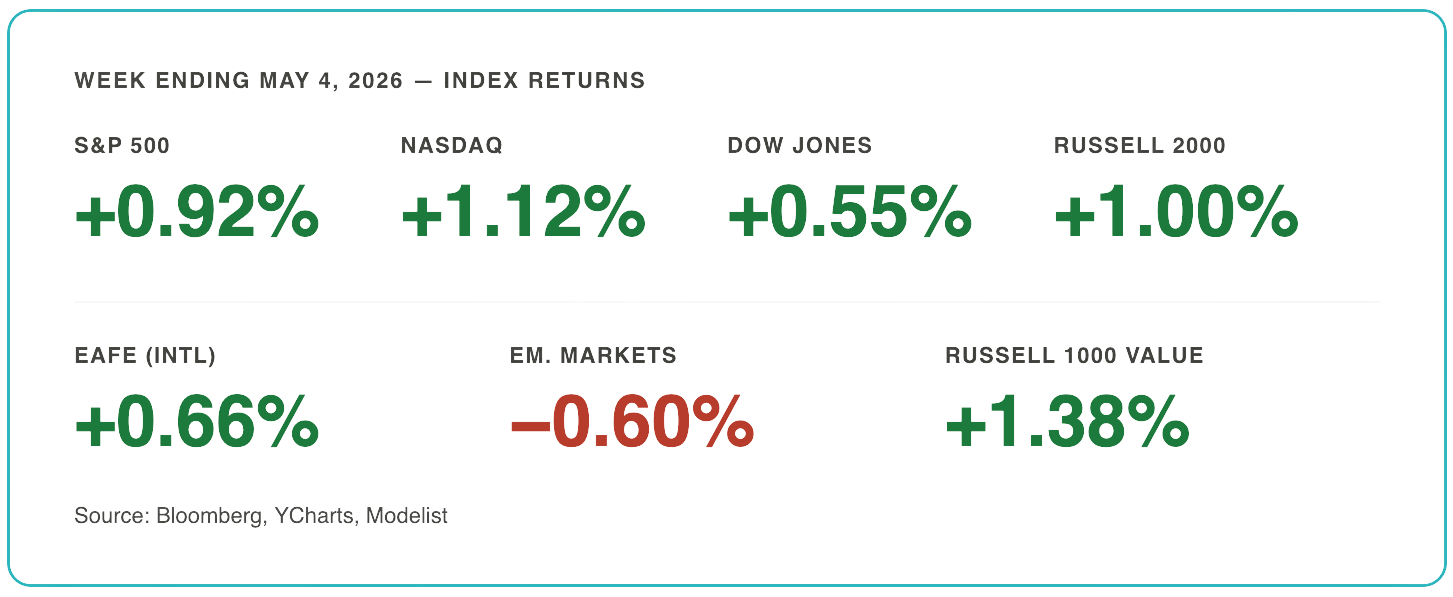
The S&P 500 and Nasdaq hit fresh highs last week — while inflation stayed well above target. Here's what drove markets and what it means for your retirement income plan.

Markets rebounded this week, but underlying conditions remain complex. Here’s what changed—and how evolving inflation, rates, and global events may influence planning decisions over time.

If you made excess deferrals to your 401(k) or 403(b) plan(s) in 2025, you need to correct the error while there’s still time. The deadline is April 15, 2026.

A Qualified Charitable Distribution (QCD) or Roth conversion can be highly effective—but small execution details can quietly change the outcome. In this article, we explore how tax withholding can turn a tax-efficient strategy into a partially taxable event, and what that reveals about the importance of coordinated planning.

Your social feed has probably been buzzing about it. Maybe a family member forwarded you an article. Here's the short answer: there is no "Trump IRA." An executive order was signed — but it directed agencies to study retirement savings access. No new law. No new account type. No IRS guidance. Here's what actually happened, and why the confusion itself is the planning risk.

Markets moved lower amid rising inflation expectations, geopolitical tension, and a shifting rate outlook. While none of these developments are unusual on their own, together they begin to change how planning decisions behave over time.
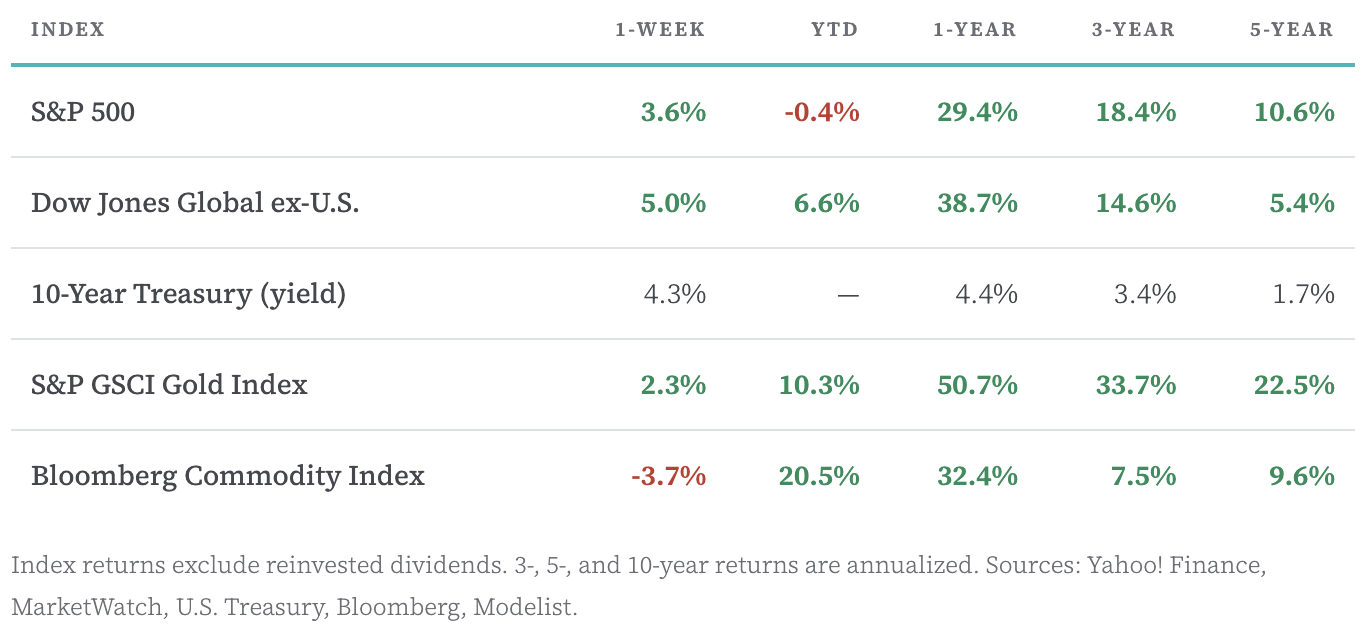
Markets staged their best week in nearly a year following a US-Iran ceasefire — but inflation just hit a four-year high and consumer sentiment is at an all-time low. Here's what happened, what we're watching, and what it means for your retirement plan.

U.S.–Iran strikes, oil volatility, and inflation risks—what it means for markets and how a structured retirement plan protects affluent investors.

What is an in-plan Roth conversion?

With all the tax changes made by the 2025 OBBBA, it’s no surprise that the IRS has made significant changes to the 2025 Form 1040 and supporting schedules and forms.

More than half of parents in a 2025 survey said they currently save – or plan to save – for their children’s college in tax-advantaged 529 College Savings Plans.

Starting January 28, 2026, the TSP, a 401(k)-like retirement savings plan for federal civilian employees and uniformed services members, will also begin offering in-plan conversions.

Excess IRA contributions occur for many reasons, like making a contribution without eligible compensation, accidentally exceeding the Roth IRA phase-out limits, and more.

While we are only one week into 2026, there are some important IRA and work plan transactions to be aware of.

Smart tax planning isn’t just about meeting deadlines — it’s about making your money last longer and work harder for you and the people you love.

Thinking about leaving your job? Make sure you understand the vesting schedule that applies to your retirement plan.

The IRS has released the cost-of-living adjustments (COLAs) for retirement accounts for 2026, and many of the dollar limits will increase next year.

With continuing economic uncertainty, it’s not surprising that the number of employees who need to dip into their 401(k) and other company plan funds is on the rise.

Learn the 2026 SIMPLE IRA contribution limits, catch-up rules, employer contribution requirements, and how age affects retirement savings.
At CRA, we’re proud that Chris Cordoba is a member of Ed Slott’s Master Elite IRA Advisor Group℠ — a distinction earned by only a select group of advisors nationwide.

While naming a spouse directly as the IRA beneficiary has many advantages and is a popular choice, it is not always the correct planning strategy.

At their core, IRAs and 401(k) plans operate in a similar fashion. It is these fundamental similarities that create a false narrative that IRAs and 401k) plans are essentially the same.

Learn how states tax 529 to Roth IRA rollovers and why state rules may affect your rollover strategy and tax planning.

Many employers with company plans are scrambling to be ready for the soon-to-be-effective SECURE 2.0 rule requiring high-paid employees to make plan catch-ups contributions to Roth accounts.

The One Big Beautiful Bill Act (OBBBA) brings new considerations, especially for Roth conversion planning.

The plan RMD must be taken prior to any rollover. If the plan RMD is erroneously rolled over, it is now an excess contribution in the IRA, and that error must be corrected.

For those who are fortunate enough to have access to multiple retirement plans, the ability to put away a significant amount of money is there…if the cards are played right.

If you love vacations and dread the planning, AI travel-planning apps may prove useful, as long as you understand the limitations.

If you’re in a 457(b) plan and are nearing retirement, there's an often-overlooked rule that could allow you to defer twice the usual annual elective deferral limit three years before retirement.

Learn how the One Big Beautiful Bill Act may create new Roth conversion opportunities through lower tax rates, larger deductions, and tax planning.

When retirement account funds are on the move, things do not always go as planned.

Learn three ways OBBBA may affect retirement accounts, including Rothification, Roth conversions and tax-advantaged retirement planning.

Plan loans are generally limited to the lesser of 50% of your vested account balance, or $50,000. Your employer can allow an exception to this rule.

If you’re saving through your work plan, you probably don’t even know what your plan’s flavor is, but it may be an important factor if you’re considering a new job.

If you have earnings, you can’t just take out the after-tax contributions to avoid paying taxes on a withdrawal. Instead, a pro-rata rule treats part of your distribution as taxable.

Learn how the 2025 retirement plan compensation limit affects 401(k) matches, profit-sharing contributions, SEP IRAs and pension benefits.

Learn the 20 IRS exceptions to the 10% early withdrawal penalty for IRAs and workplace retirement plans and avoid costly mistakes.

Oftentimes people think they can roll a 401(k) RMD to their IRA and simply take that plan RMD from the IRA later in the year. Incorrect.

Planning an IRA contribution? Learn 10 important rules about contribution limits, deadlines, income requirements, tax deductions and eligibility.

A recent survey found that about one-third of Americans plan to retire in their current city. A key factor in decisions about where to retire is financial security.

Do you get a separate elective deferral limit for your pre-tax and Roth contributions to each plan?

Many new plans became subject to automatic enrollment on January 1, 2025. On January 9, 2025, the IRS issued proposed regulations on this rule.

Here is some basic information about RMDs. It is offered with the caveat that RMDs have complex rules.

There are a number of restrictions when it comes to moving money from a 529 plan to a Roth IRA.

Personal finance includes managing your money as well as saving and investing. It encompasses budgeting, banking, insurance, mortgages, investments, and retirement, tax, and estate planning.

Planning an IRA rollover across calendar years? Learn how to report it, avoid tax mistakes, and stay within rollover limits to protect your retirement savings.

With all plan dollars rolled over to an IRA, future IRA RMDs can be sent to whatever qualifying charity you wish via QCD. But until the plan dollars are in that IRA, we must do this plan RMD/rollover timing/QCD dance.

One of the more controversial rules in the 2022 SECURE 2.0 Act is the requirement that plan catch-up contributions by certain highly-paid employees be made on a Roth basis. But things have changed.

Starting in 2025, older employees can make larger catch-up contributions to retirement plans. Learn who qualifies and how much more you can save.


The get-out-of-jail card that has allowed many IRA and plan beneficiaries to forego annual required minimum distributions (RMDs) is about to expire.

Explore Roth IRA conversion rules, tax planning strategies, and common mistakes to avoid when converting retirement accounts.

When planning for retirement, there is a risk that is sometimes overlooked—the possibility of cognitive decline.

Roth plan accounts can be disregarded when your RMD is calculated and a withdrawal from a Roth 401(k) account in a year an RMD is required does not count towards satisfying your RMD for that year.

IRS updates simplify see-through trust rules for IRAs and plans. Learn new documentation changes and how they affect beneficiaries.

When it comes time to roll all these plan dollars to an IRA, where should (and where can) the different dollars go?

401(k) plans can now match student loan repayments under SECURE 2.0, providing valuable contributions toward retirement savings starting in 2024.

More and more employees are now taking advantage of the option of making Roth 401(k) employee contributions. Here are five things to keep in mind about Roth 401(k)s if your plan offers them.

More and more Americans have retirement savings in Roth 401(k)s. With their rising popularity come some complicated tax issues.

After more than two years, we might actually be getting answers from the IRS on several important unanswered questions concerning RMDs for those who inherit IRAs or company plan accounts. Learn about the upcoming IRS Beneficiary RMD Final Regulations, changes from the SECURE Act, and how they impact your retirement account inheritance planning.

Financial plans are a lot like states. They reflect the unique characteristics and needs of individuals and families. If you have any questions about whether you are on track to achieve your financial goals, get in touch.

SECURE 2.0 made some significant changes to the SIMPLE IRA plan contribution limits, pushing the 2024 limits to $17,600 and $3,850, respectively.

It is perfectly acceptable for a person to participate in multiple work plans in the same year (even at the same time). Unfortunately, people try to circumvent these rules all the time.

Prepare for the seven key life events that impact baby boomers' finances and investments. Learn about estate planning, health care, retirement, and managing multiple income sources. Consult a financial advisor to secure your future.

Explore four ways to reduce taxes on your required minimum distributions. Keep more of your retirement savings with smart planning.

Find out how the one-rollover-per-year rule affects your IRA transactions. Learn about the regulations around IRA rollovers, including the one-rollover-per-year rule, and how to navigate these rules for effective financial planning.

Learn the key rules when a trust or estate is named IRA beneficiary—how it affects ownership, RMDs, tax treatment, and account setup.

SECURE 2.0 expands in-service withdrawal options for 401(k), 403(b), and 457 plans. Learn what’s changed and how these rules affect access to retirement funds.

If you don’t like where you’re at, do everything in your power to change it, because fantasyland retirement will not mystically appear at age 65. By sticking to the long-term plan, short-term gratification opportunities should present themselves.

IRAs are an important, but often overlooked, part of your overall tax planning. As the deadline for filing 2023 tax returns approaches, it is a good time to incorporate your IRA plan strategies with your overall tax plan.

Explore financial aid options for disabilities, including tax deductions, credits, ABLE accounts, and special needs trusts to ease financial burdens.

In less than 26 months, nearly two dozen TCJA provisions are slated to expire unless Congress intervenes. The ramifications? We stand at the brink of one of the most impactful tax reconfigurations in recent memory.

Thinking of opening up a new solo 401(k) plan for 2023? Thanks to SECURE 2.0, you don’t have to rush to get it done by year end.

Congress made SIMPLE IRA plans more complex with new 2024 rules under the SECURE 2.0 Act. Learn how limits and contributions are changing.

Beginning in 2023, SECURE 2.0 allowed for employer contributions to be made to Roth accounts. But few plans have offered Roth employer contributions because of the need for recordkeepers to adjust their systems and because of the lack of IRS guidance.

Participating in more than one retirement plan? Learn how elective deferral and overall contribution limits apply when you're in two plans in the same year.

Last week a federal court jury found that Baltimore’s ex-top prosecutor, Marilyn Mosby, lied on the application form when she requested two CRDs totaling $80,000 from the city’s 457(b) plan in 2020.

A Health Savings Account is a tax-advantaged medical savings account that helps people pay for qualified out-of-pocket medical expenses. What are the withdrawal rules for HSAs? Are there special considerations that must be taken into account?

Learn how to manage RMDs when IRA assets are illiquid. Avoid penalties with smart withdrawal and planning strategies.

Section 327 changes the distribution rules for spouse beneficiaries of IRA (and workplace plan) account holders and is effective January 1, 2024. The result is that some of these beneficiaries will actually be in a worse position than they are in under the current rules.

A QCD is a distribution from an IRA that goes directly to a qualifying charity and is not included in the taxable income of the IRA owner. A QCD cannot be made from an employer plan. A QCD can be up to $100,000 a year, per individual.

Learn how a spouse can claim an IRA when the estate is listed as beneficiary. Understand rollover options, PLRs, and how to protect your assets.

Learn from James Caan's mistake with the IRA same-property rollover rule to avoid hefty tax penalties.

Taxpayers naturally seek to use benefits offered in the Internal Revenue Code. Sometimes, though, Code provisions offset each other, reducing the expected tax savings. Fortunately, savvy planning can help seniors receive the best of both worlds.

In the past, a person needed to route after- or pre-tax dollars through a traditional IRA, but this is no longer the case. With "Mid-Air" Roth Conversions, it can be done from company plans. Read more.

The IRS gives employer plans two more years to comply with the controversial SECURE 2.0 rule requiring “catch-up contributions” for high-paid employees to be made on a Roth basis. The effective date of the rule has been postponed from January 1, 2024 to January 1, 2026.

Unlock expert insights into special needs financial planning with Arcadia Berjonneau-Keane's video series. Learn key strategies for securing your child's future now.

The Ed Slott team answers thousands of IRA and work plan questions annually. Here are 10 IRA and work plan topics that you may have stumbled across yourself.

If you created your trust before 2018, and named your trust as the beneficiary of your IRA, you NEED to review it now. What was a perfectly effective planning strategy a couple of years ago could be totally useless now.

While celebrating, same-sex couples may want to take this opportunity to consider plans for their retirement accounts. Since the SECURE Act and SECURE 2.0 have overhauled the rules, it may be time for a new strategy. Here are 5 retirement account planning tips.

Explore 457(b) plans: rollovers, creditor protection. Know differences in governmental and top hat plans for a secure retirement. Read more.

Learn what happens when an IRA beneficiary dies before claiming an inherited IRA, including contingent beneficiaries, estate rules and the 10-year rule.

Another option is to keep your funds in the plan. Keep in mind, though, this may not always be possible. With that in mind, here’s several reasons why you may want to keep your plan funds where they are.

Explore potential impacts of not raising the debt ceiling by the deadline, with insights from investment managers, economists, and retirement planners. Learn how this could affect your financial strategies and retirement plans.

A QDRO is a state court order obtained by divorcing couples that requires a company plan to pay a portion of the benefit of the spouse participating in the plan to the other spouse.

Employees with very high compensation cannot have their retirement plan benefits based on all of their pay. Instead, the tax code allows only compensation up to a certain dollar amount to be taken into account.

SECURE 2.0 has changed the way that employer contributed accounts are maintained. Read more to see how.

SECURE 2.0 has changed the way RMDs work in retirement planning. Read to see these changes.

As we get deeper into the new year, make sure that you have your financial plans in order.

Learn who benefits from survivorship life insurance, how it supports estate planning, and when a second-to-die policy makes financial sense.

This article contains questions asked by members of Ed Slott's community that are answered by members of his staff.

Learn five effective steps to set up and manage your startup budget. Stay financially stable and scale your business with smart, simple planning.

When it comes to rollovers from 529 plans to Roth IRAs, there are new regulations when it comes to SECURE 2.0.

SECURE 2.0 brings changes to RMDs in regards to Roth IRAs. Read how in this article.

Retiring is both an exciting and emotional time for everyone, and public safety employees are no exception.

Developing and offering a 401(k) plan for your employees is no easy feat, but working with a trusted advisor can take some stress off your shoulders.

Before the real estate agent hands you the keys and you enter your brand-new abode, find a loan that accommodates your income, spending habits and more.

This article contains changes made to retirement accounts from SECURE 2.0, more specifically in the 401(k) category.

Delaying RMDs can be a beneficial step in successful retirement planning. See how things have changed under SECURE 2.0.

A look at the estate tax advantaged trust, the Intentionally Defective Grantor Trust.

ERISA-covered plans have certain rights for spouses to access some of the participant's account benefits.

Should frugality be a cornerstone of your retirement savings plan? Before changing your quality of life today for your future retirement goals, here's what you should consider first.

Ask these 10 essential questions to ensure your financial advisor has the expertise to manage your retirement and IRA planning confidently.

While there are many tricky aspects to financial planning and retirement funding, here are some that are straightforward and greatly beneficial.

This article provides high-level details about what a 1031 Exchange is and when a person should consider one for their investment and real estate strategies.

Your employer may offer you a Roth 403(b) plan. Before you start contributing, it’s important to understand where your money’s going and the tax implications this type of account will have on you now and into retirement.

When considering limits in your retirement plan, it can often get confusing to understand how they operate. This article clears the air on this subject.

Many contribution limits have been increased for 2023. Read this article to find out all the details regarding these changes.

Learn how 414(h) pick-up plans work for government employees, including tax benefits, contributions, and withdrawal rules.

Shopping for life insurance can be confusing. Choose a plan that is the best for you and your family with these five top considerations.

SECURE 2.0 is designed to increase savings in IRAs and company plans for retirement planners and savers.

Surprise! Retirement is an exciting & validating time but there are many surprising facts that you may not be aware of when planning. Take these 6 things to heart.

With the multiple plans available to retirement planners, it can be daunting deciding which one is right for you.

Retirement planning is about much more than just saving. It's time to create a more detailed plan towards a retirement date you can live with.

Whatever your reason for giving this year, it’s important to know how your charitable contributions can impact your financial plan. In fact, being strategic and intentional in your charitable contributions can create tax benefits for both you and your chosen charity.

When it comes to estate planning, more specifically naming a beneficiary in your will, there are more alternatives than you might realize.

The government is attempting to strengthen retirement plans so that they last.

Solo 401(k)s allow you to gain benefits as both an employee and employer, but there are some drawbacks.

Estate planning is an important part of protecting yourself and your loved ones in the event you are unable to make important decisions for yourself. Make sure to review these 4 areas of your plan.

Having an HSA is crucial for the retirement planning process, so make sure that you understand the rules for HSAs.

Being an estate executor is an important role to take on and it's important to understand your roles and responsibilities. It's not a task to take lightly but here are the top 5 duties to be aware of and what you absolutely need to know.

Each pension plan has their pros and cons, which one is right for your situation? Find out here.

You want to enjoy your retirement, which is why it's so important to start planning now. Top stress-reducing tips on when planning for your future.

Is it time to update your health insurance coverage? Starting November 1, you'll have a limited window to do so. Here's what to consider about changing your coverage.

Retiring early to become a full-time caregiver is a huge life milestone and requires careful planning. Read more here.

Vesting rules are used to give a benefit amount according to how long you've been with a company. Find out how to calculate yours!

This article will be about the unique considerations and tactics that military families should keep in mind when approaching retirement planning.

A lump sum buyout offer is a limited opportunity for defined benefit plan participants, but don't let the scarcity of it let you feel compelled to act on it without first understanding it.

The three financial plans discussed here encompass what to expect when putting away money for retirement. Find out how they differ!

Use this article to help your clients think about and review their homeowner's insurance policies as part of a solid financial plan.

Help your clients and contacts to understand the whens and wherefores of adjusting their retirement strategies with our new article.

Inflation can have a detrimental effect on retirement savings. However, there are several approaches you can take to protect your retirement from inflation. Here's how.

Estate planning isn’t a fun topic to think about, but it’s important to have everything in order. Learn about some of the most important documents to include in your estate plan.

This article will use the fact that October is Financial Planning Month as a springboard to educate readers on general financial planning tips.

ERISA is a federal tax and labor law that establishes minimum standards for pension plans in the private industry. Read how it applies!

Strategizing how you can use RMDs at a time that is most beneficial to you takes knowledge that this article will help you gain.

Compare 403(b) vs. 457(b) plans to determine the best retirement savings option. Learn about contribution limits, tax benefits, and plan eligibility.

You've imagined your dream retirement, but how can you know if you’ll be able to afford it? Estimating your Social Security benefits is an important component to any retirement plan.

You don't have to have millions in the bank to benefit from establishing a trust. Learn the truth about trusts the surprising advantages you could be missing out on.

Learn how annuities work, including their benefits, drawbacks, tax treatment, fees, income options, and potential role in retirement planning.

Get familiar with your state’s estate laws so you’re well aware of which rules apply to you.

You know you need to start preparing now for a peaceful retirement, but sometimes it's hard to know where to start. If you're uncertain about your next steps, here are 6 things to start doing differently right now.

When planning your retirement income, you should include healthcare costs. Here are some of the top healthcare costs in retirement to consider.

Putting together an estate plan can feel overwhelming, but it's an integral part of seeing your final wishes through. Take time to sort through each of these items with your financial advisor to help keep your estate and your loved ones well-organized and prepared.

Did you know you may be able to take your 401(k), 403(b), or 457 plan and roll it into another type of retirement account while you are still working? Let’s look at how these rollovers can happen and the pros and cons of making them.

A retirement lifestyle is more than just saving money; it's also deciding how you want to spend that extra time. Here's a look at what you want to consider.

Looking for an estate planning financial advisor? Here are 9 important questions to ask during the estate planning process.

Help your clients better understand life insurance and its place in their financial strategy.

Helping your clients with the year-round effort to maintain your tax strategy.

If you’re experiencing financial hardship or emergency, knowing the rules of the road for penalty-free retirement plan withdrawals is important.

The retirement strategy has changed over the years, culminating in a plan that will ensure that you are living your happiest years during your retirement. Find out what this new strategy is!

You might be able to plan for many of your retirement expenses, but there are likely going to be unexpected things that come up.

Get your clients thinking about their estate strategy with this article about wills. A will is a great starting point, but their financial needs may require more planning.

This article details the different types of insurance that are a necessary part of a healthy financial plan.

Business transition planning can often be one of the most overlooked sources of retirement income for small business owners. Here are 5 tips to consider when creating your transition strategy.

Guide your clients in the creation and maintenance of their trusts. This article will help them understand the maintenance processes involved.

Traditional retirement planning is less effective when spouses stop working at different ages. Here are a few things to take into account as you prepare for this next chapter.

This article will help your clients understand the basics of an estate strategy and what needs to be included.

The 2020 presidential election results could have a profound impact on your estate and gift tax obligations moving forward. Here's what you need to know at year-end and beyond.

Is it time to update your health insurance coverage? Starting November 1, you'll have a limited window to do so. Here's what to consider about changing your coverage in the meantime.

If you're an educator, take some time to review your 403(b) retirement plan while there's still time to strategize and save. Plus consider a note of caution on how you get your advice.